
Forensic Pathology Job Description
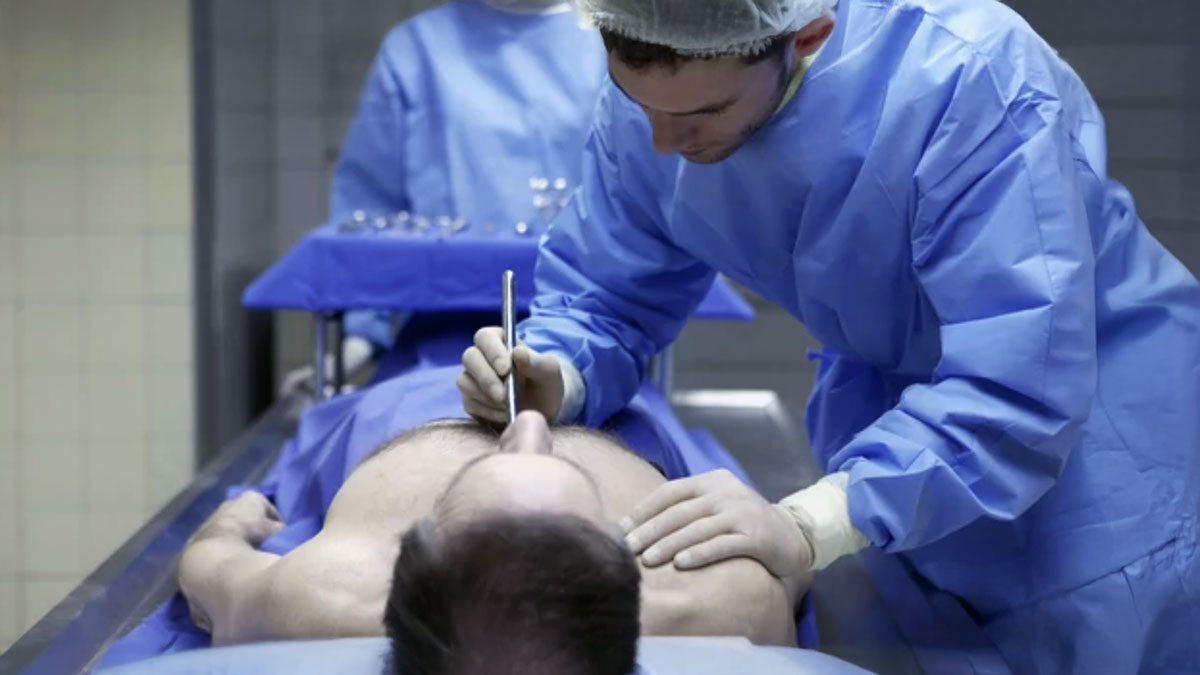
Forensic pathology is a medical specialty that links science, investigation, and the legal system. Forensic pathologists work with coroners and police to determine how and why a person died. Most cases involve deaths that are sudden, violent, unexplained, or suspicious.
The job requires close attention to detail and the ability to interpret medical findings within the broader circumstances of a case. Forensic pathologists conduct autopsies, review medical history, examine injuries, and analyse laboratory results to identify both the cause and manner of death.
What the Role Involves
A typical day may include performing autopsies, documenting injuries, collecting samples, or reviewing toxicology reports. Every case is different, and the work ranges from natural deaths to complex homicide investigations.
During an autopsy, a forensic pathologist may:
- Confirm identity
- Document external and internal trauma
- Collect tissue and fluid samples
- Identify gunshot residue or other trace materials
- Look for signs of assault
- Interpret toxicology and histopathology findings
Forensic reports usually separate two related conclusions. The cause of death is the medical explanation for the death, such as a gunshot wound, drug toxicity, or a ruptured aneurysm. The manner of death describes the category of the death in context, such as natural, accident, suicide, homicide, or undetermined. This distinction matters because the medical findings and the surrounding circumstances both shape how the case is understood.
The role also includes writing detailed reports that explain how conclusions were reached. Many forensic pathologists provide expert testimony in court, helping judges and juries understand medical evidence.
Education and Training
Becoming a forensic pathologist takes about 13 years of education and clinical training. The pathway reflects the level of responsibility involved.
Undergraduate Degree (4 years)
Training begins with an undergraduate degree with strong foundations in biomedical science. The exact pathway varies by country and university, but it must qualify you for entry into medical training.
Medical School (4 years)
After completing a bachelor’s degree, students enter medical school to earn an M.D. This phase includes lectures, laboratory work, and clinical rotations across multiple specialties. It cannot be completed online due to the required hands-on practice.
Pathology Residency (4 years)
Graduates then complete a residency in anatomical and clinical pathology. This is where doctors develop the skills to examine tissues, interpret lab results, diagnose disease, and understand the full range of conditions encountered during autopsy.
Forensic Pathology Fellowship (1 year)
A one-year fellowship provides specialist training in death investigation, medicolegal autopsies, forensic evidence collection, and courtroom testimony. Fellows work closely with medical examiners, coroners, and law-enforcement agencies.
Certification
To practise independently, forensic pathologists must pass board exams in anatomical pathology and forensic pathology. Certification confirms expertise and is required by most employers.
Career Outlook and Working Conditions
Forensic pathologists work in medical examiner offices, coroner systems, forensic laboratories, and academic settings. Demand remains steady because death investigation is essential to public health and the justice system.
The work can be intellectually demanding but also highly meaningful. Experienced forensic pathologists often earn more than $250,000 per year, with additional compensation in senior or high-caseload roles.
Summary
Forensic pathology is a specialised medical career built on scientific investigation, careful analysis, and strong communication. It requires extensive training, but for those who enjoy solving complex problems and contributing to the justice system, it offers a challenging and rewarding long-term profession.
