
Successful Weight Loss Coaching
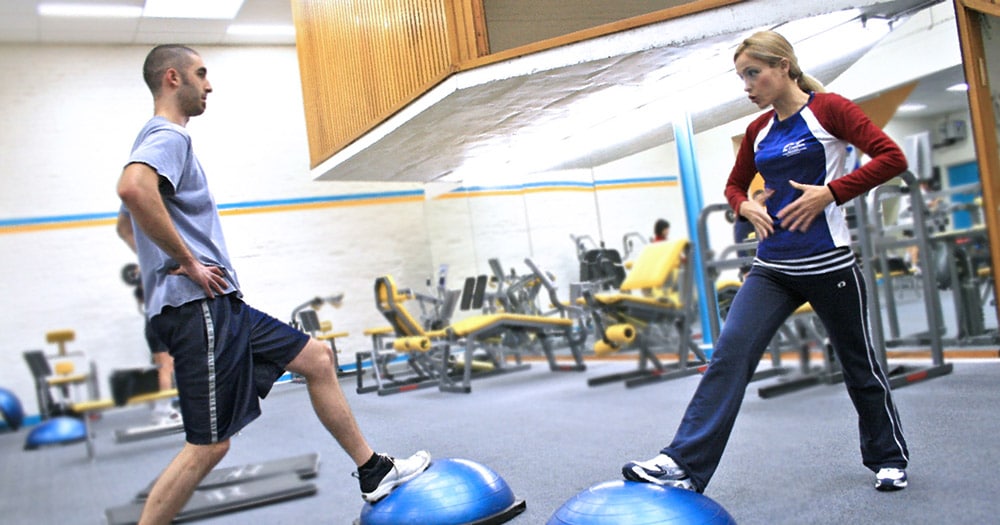
Weight loss coaching is a modern phenomenon. If you are responsive to your personal coach, the service can be a successful path to losing weight and maintaining good health.
Important: A weight loss coach is not a medical professional. Coaching can support habits and accountability, but it does not diagnose or treat health conditions. If you have a medical condition, take medication that affects weight, or have concerns about disordered eating, speak with a qualified clinician before making major changes. For evidence-based guidance, see CDC About Healthy Weight and Growth.
About Coaching
As well as weight loss, people hire a coach to help them seek a more fulfilling career, write a book, even to develop a more organized and efficient lifestyle. You can use coaching to give you support and accountability for just about any project you want to materialize in your life.
Coaching’s origins trace back to the 1980s and have been popularized by such well-known coaches as Cheryl Richardson, a regular on the Oprah TV show, and Rich Fettke, author of “Extreme Success.”
Coaching became popular on the east and west coasts of the US. Among certain social circles, the question became not “Do you have a coach?” but “Who is your coach?” Coaching slowly gaining popularity in the midwest and southern parts of the US and spread to many parts of the world, including Australia.
After all, the process is completely convenient. Coaching can take place over the phone in 30-minute sessions once a week. It can be done from home or office, during the day, night or weekend.
Coaching is different from personal training because the intent is to give you the mental tools to develop yourself. It’s much more than supervising personal fitness programs.
Coaching for Fitness and Weight Loss
So, just how does coaching apply to fitness and weight loss?
Coaching is client-driven. You decide the focus and direction of your work. A coach acts as teacher, guidance counselor, mentor, strategist, motivator… coaching is often described as “unlocking a person’s potential to maximize their performance.”
But the important factor here is that coaching is geared toward the individual. After all, people lose weight at different rates and have widely varying issues with eating and exercise.
Here are some of the things coaching does.
- Supports you 100 percent
- Challenges you to go beyond your current beliefs
- Helps you get to the core of difficult issues
- Celebrates your victories
- Keeps you moving forward
- Helps you stay focused and motivated
- Makes sure you are always being truthful about what is happening in your life,
All of those things are valuable when tackling the area of fitness and health. Lasting results are often discussed in terms of sustainable habits and practical day-to-day changes.
- Changes in food habits are commonly explored
- Difficult decisions about current lifestyle are often considered
- Limiting beliefs that affect progress may be examined
- Personal responsibility for weight is often emphasized
- Realistic goals and steady progress are frequently part of the process
- Roadblocks and obstacles along the path are commonly addressed
Most of all, learning to motivate yourself for a long-term commitment to a healthy lifestyle can bring you many rewards in other areas of your life as well. Health is one all-important area that radiates to every single aspect of your life.
Remember, yesterday can’t be fixed or changed but the future is yours to shape. And the biggest key to your future is the action you take today!
Weight Loss Coaching Exercises
Effective weight loss coaching uses full-body strength work, short high-intensity efforts, plus regular cardio. A good personal trainer selects exercises that keep the heart rate elevated while training multiple muscle groups in each session.
Programs centre on compound movements performed in circuits. Common choices include burpees, squat-to-overhead presses, kettlebell swings, lunges, plus rowing. Mountain climbers plus battle ropes are often added to lift intensity without long rest periods.
- Burpees: Full-body movement that raises heart rate quickly.
- Compound lifts: Squats, deadlifts, plus presses train several muscle groups at once.
- Kettlebell swings: Explosive movement targeting the posterior chain.
- Rowing: Low-impact option engaging most major muscles.
- Lunges: Builds strength plus stability while keeping sessions dynamic.
Sessions usually run as circuits or intervals. Circuits group 5 to 6 exercises back-to-back with minimal rest. Interval sessions use short bursts of effort followed by brief recovery. Both keep sessions demanding within a limited time.
A simple session might include 3 sets of 12 to 15 repetitions of squats, push-ups, plus rows with limited rest. A personal trainer adjusts load, intensity, plus exercise selection based on starting level plus progress.
Results depend on consistency plus progression. Load, volume, or intensity increases over time to avoid plateaus. Proper technique reduces injury risk plus improves output. Recovery through rest days or lower-intensity sessions supports ongoing training.
